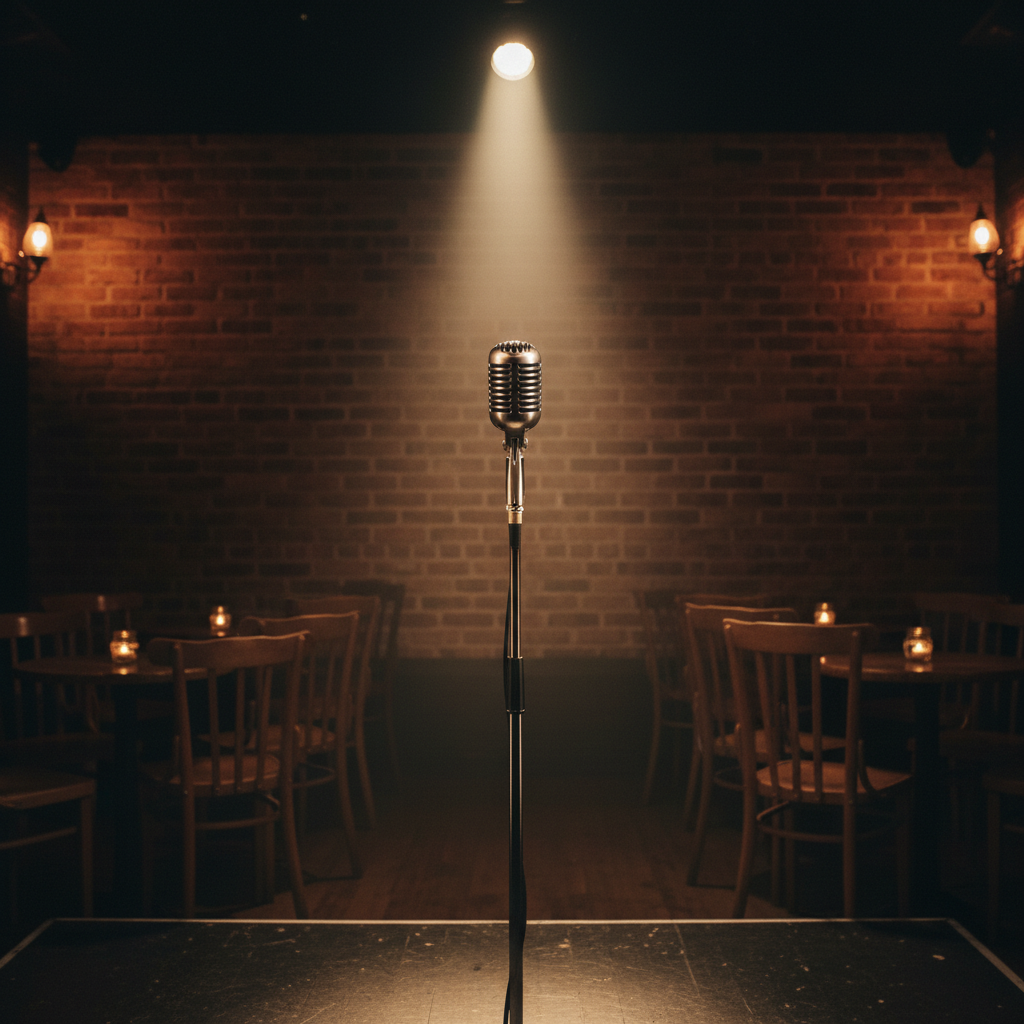
Unlocking Your Gig: A Beginner’s Guide to Choosing the Perfect Small Venue PA System
Dreaming of playing your music live, perhaps at a local cafe, an open mic night, or even a backyard party? For many aspiring musicians, the leap from bedroom practice to a public performance can feel daunting, especially when it comes to sound. The big question often is: “How do I make sure my music sounds good to everyone in the room?” You don’t need a stadium-sized setup for a small venue, but picking the right Portable Audio (PA) system can make all the difference. This article will guide beginners and hobbyists through the process of selecting a suitable PA system, ensuring your first live performances are memorable for all the right reasons.
Understanding Your Needs: What Kind of Performance Are You Planning?
Before you even think about specific models, consider your typical performance scenario. Are you a solo acoustic singer-songwriter, a duo with a keyboard and vocals, or a small band with a couple of instruments and multiple vocalists? This is crucial because it dictates the number of inputs you’ll need. For a solo act, two inputs (one for your instrument, one for your microphone) might suffice. A duo might need four. For a small band, you’re looking at more. Think about what you’ll be plugging in – microphones, guitars, keyboards, drum machines – and estimate the total number of channels required on your mixer.
Actionable Tip: Make a list of all the instruments and microphones you intend to use. This list will directly translate to the number of input channels you’ll need on your PA system’s mixer.
Key Features to Prioritize: Sound, Portability, and Ease of Use
When diving into the world of PA systems, three features stand out for beginners and casual users: sound quality, portability, and ease of use. You want your music to sound clear and balanced, your gear to be manageable to transport, and the controls simple enough for you to set up quickly without a degree in audio engineering.
Sound Quality: Clarity and Coverage
For a small venue, you’re aiming for clear, articulate sound that fills the space without being overwhelmingly loud or muddy. Look for systems with good frequency response – meaning they can reproduce both low bass notes and crisp high notes accurately. Many modern compact PA systems, often called “column arrays” or portable line arrays, are designed to distribute sound evenly across a room. This is a game-changer for small venues, as it helps everyone in the audience hear your music clearly, regardless of where they’re sitting. When researching, check for reviews that mention clear vocal reproduction and balanced instrument sound. While you don’t need to get bogged down in technical specs like Watts and Ohm for now, understand that generally, more wattage allows for more headroom (the ability to play louder without distortion), which is beneficial even at lower volumes for clearer sound. However, for a cafe or small room, 50-100 watts per speaker is often plenty.
Portability: Your Back Will Thank You
Unless you have a dedicated roadie, you’ll be setting up and tearing down your PA system yourself. This is where portability becomes paramount. Look for systems that are lightweight, compact, and easy to carry. Integrated designs, where the mixer and amplifier are built into one of the speakers or a separate, easily transportable unit, are incredibly convenient. Systems that come with their own carry bags or have handles and wheels are a huge bonus. Consider how much space it will take up in your car and how easily you can maneuver it into a venue. A system that’s a pain to transport might end up staying at home, defeating its purpose.
Ease of Use: Plug and Play for Peace of Mind
As a beginner, you want a system that’s intuitive to operate. Look for PA systems with clearly labeled controls, minimal buttons, and simple connection points. Many compact PA systems now include built-in digital mixers with basic effects like reverb, which can add a professional polish to vocals without complex external gear. Bluetooth connectivity is another excellent feature, allowing you to easily play backing tracks from a phone or tablet. Simple EQ controls (bass, mid, treble) on each channel are also helpful for quickly adjusting your sound. The goal is to spend less time troubleshooting and more time focusing on your performance.
Real-Life Example: Systems like the Bose S1 Pro or the Electro-Voice Evolve 30M are popular among solo artists and small ensembles precisely because they excel in these three areas. They offer impressive sound quality for their size, are highly portable, and are designed for straightforward operation, often with integrated mixers and effects.
Connecting Your Devices and Avoiding Common Pitfalls
Once you have your PA system, connecting your instruments and microphones is the next step. Most PA systems use XLR cables for microphones and 1/4-inch jack cables for instruments. Ensure you have enough of the right type and length of cables. It’s always a good idea to have a spare! When setting up, always turn down the volume (gain) on your mixer channels and main output before powering on your PA system to avoid sudden loud noises that can damage speakers or startle your audience. Gradually bring up the levels once everything is connected and powered up.
Common Pitfall to Avoid: Feedback! That piercing squeal is every performer’s nightmare. It usually happens when a microphone picks up sound from its own speaker, creating a loop. To avoid this, position your speakers in front of your microphones, not behind them. Also, avoid pointing microphones directly at speakers. If feedback occurs, try turning down the volume of the offending microphone or speaker, or slightly adjusting its position.
Choosing your first PA system doesn’t have to be overwhelming. By focusing on your specific needs and prioritizing sound quality, portability, and ease of use, you can confidently select a system that empowers you to share your music live. Get ready to amplify your passion!
